Address
304 North Cardinal St.
Dorchester Center, MA 02124
Work Hours
Monday to Friday: 7AM - 7PM
Weekend: 10AM - 5PM

Address
304 North Cardinal St.
Dorchester Center, MA 02124
Work Hours
Monday to Friday: 7AM - 7PM
Weekend: 10AM - 5PM

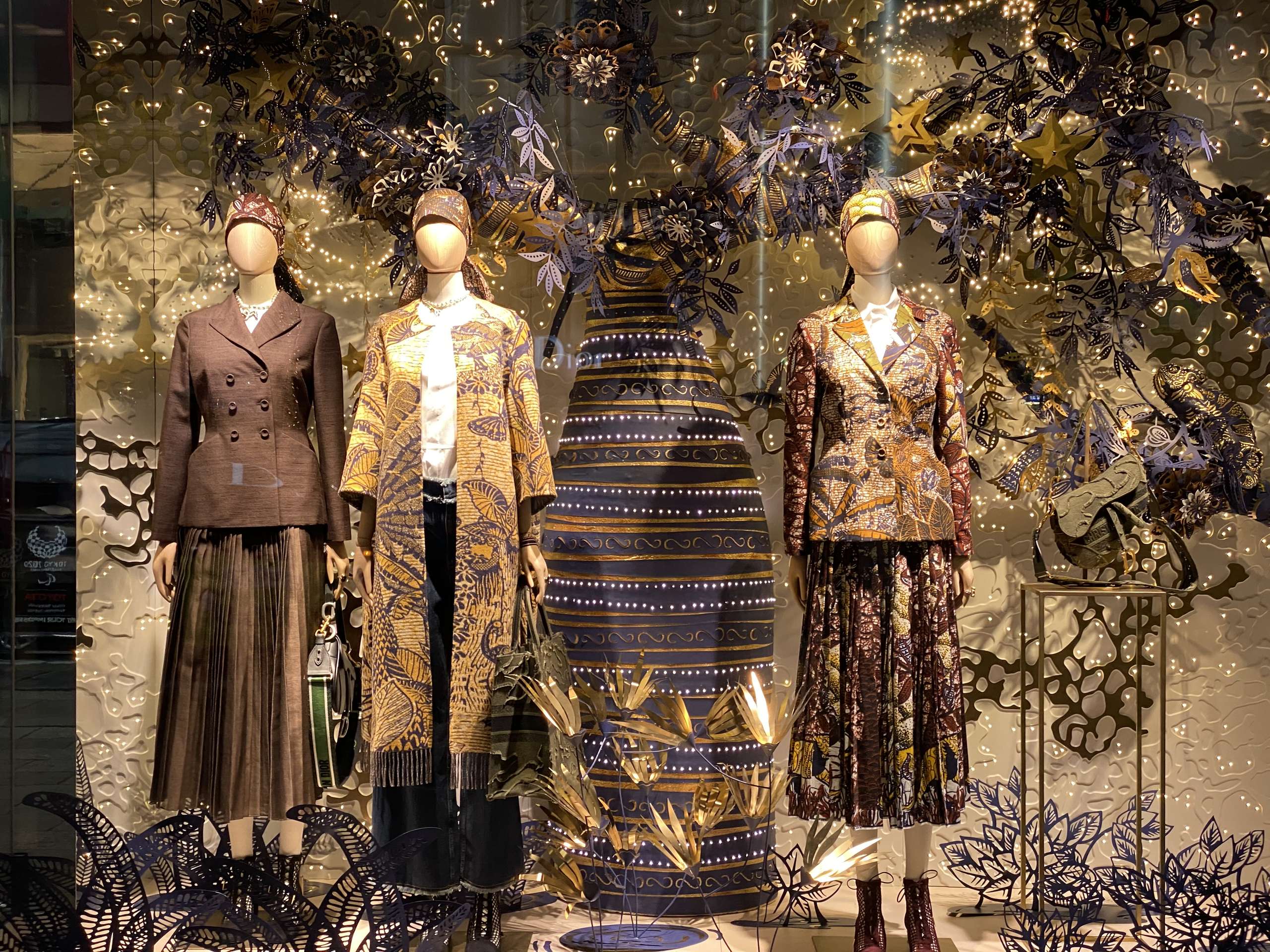
Saving reference images can feel productive, especially at the beginning. A folder fills up quickly with runway looks, campaign images, backstage shots, and magazine spreads, and it starts to seem like progress is happening. But after a while, many beginners notice the same problem: the references are growing, while the eye is not getting sharper. The issue is usually not a lack of inspiration. It is a lack of structure. A reference only becomes useful when it is studied with intention, not collected as a mood.
The first change to make is simple. Stop grouping images by whether they feel “cool” or “beautiful,” and start grouping them by what they teach. One folder might hold strong monochrome looks. Another might focus on layered styling that still feels clean. A third might gather examples of contrast, such as delicate fabric paired with heavy structure. This turns the reference archive into a working tool. When you sit down to practice, choose one category and study what repeats. You may notice that the strongest looks often rely on one controlling idea rather than many competing details. That realization is far more valuable than collecting fifty more images.
A common mistake is copying the surface of a look instead of its internal logic. A beginner may notice the boots, the coat, and the jewelry, then recreate those pieces without understanding why the original image worked. The result often feels oddly lifeless, even when the items seem close. To correct this, ask different questions. Where does the eye land first? What creates tension in the outfit: scale, texture, color, or spacing? Does the look feel held together by repetition or by contrast? Once you name the mechanism, the reference starts teaching something real. You no longer need the exact pieces, because you understand the styling decision underneath them.
A useful fifteen-minute practice session can revolve around just one image. Spend a few minutes looking at it without rushing to imitate it. Write a short note describing the shape, the rhythm, and the reason it feels memorable. Then recreate the same feeling with whatever is available, either by pulling pieces together, sketching combinations, or making a quick digital collage. Leave two minutes at the end to compare the reference and your version. Be honest but specific. Maybe your version lost the long line, maybe the palette became too busy, or maybe the accessories started fighting the main idea. That kind of review is what sharpens taste.
When references stop helping, the answer is rarely “find better images.” More often, the answer is to slow down and ask more precise questions. Study fewer examples, but study them harder. Return to the same image on different days and examine a different feature each time. One day look only at silhouette. Another day focus on texture. Another day notice how much empty space allows the outfit to breathe. Fashion styling becomes clearer when references are treated less like decoration and more like material for drills. After enough practice, a good image stops being something to admire from a distance and becomes something you can actively learn from.